You Listened to Taylor Swift 47,000 Times and Now the Whole Internet Knows It
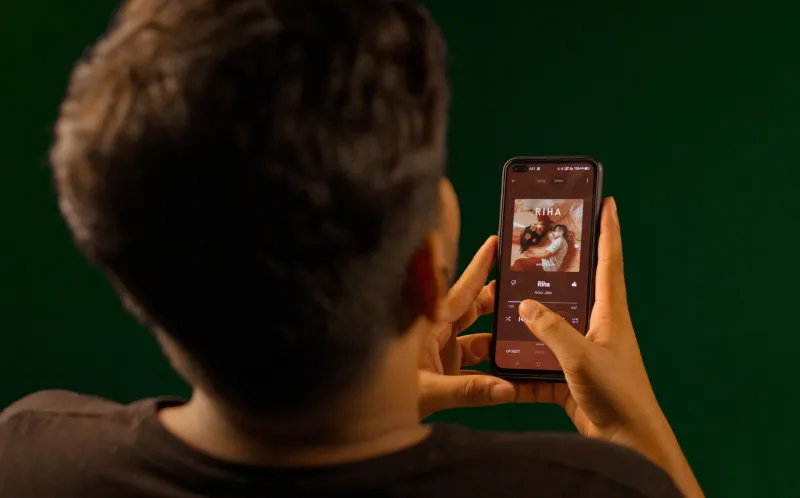
Every November, a low-grade dread starts creeping into the corners of the internet. It's not the holidays. It's not election season (well, sometimes). It's the quiet, collective anxiety of millions of people suddenly remembering that Spotify has been watching them all year, taking notes, and is about to broadcast those notes to every single person they follow online.
Spotify Wrapped arrives every December like a glittery report card you didn't study for. And somewhere along the way, what started as a genuinely charming little year-end data dump transformed into one of the most socially loaded moments in digital culture. Congrats, we ruined it.
The Origin Story Was Actually Kind of Sweet
Cast your mind back to the early days of Wrapped. The feature launched in its current form around 2016, and for a hot minute, it was legitimately fun. You'd find out you'd listened to some obscure indie band 800 times and think, huh, I guess I really went through something in March. It felt personal. Intimate, even. Like a little secret between you and your headphones.
The whole premise was built on the idea that your listening habits are a mirror — a weird, slightly embarrassing, deeply human reflection of who you were that year. Breakup? Your sad girl playlist numbers don't lie. New gym phase? Congratulations, you apparently listened to the same three Drake songs on repeat for six weeks straight. Nobody had to know. It was just you and the data.
Then social media got involved, and everything went sideways.
The Exact Moment It Became a Performance
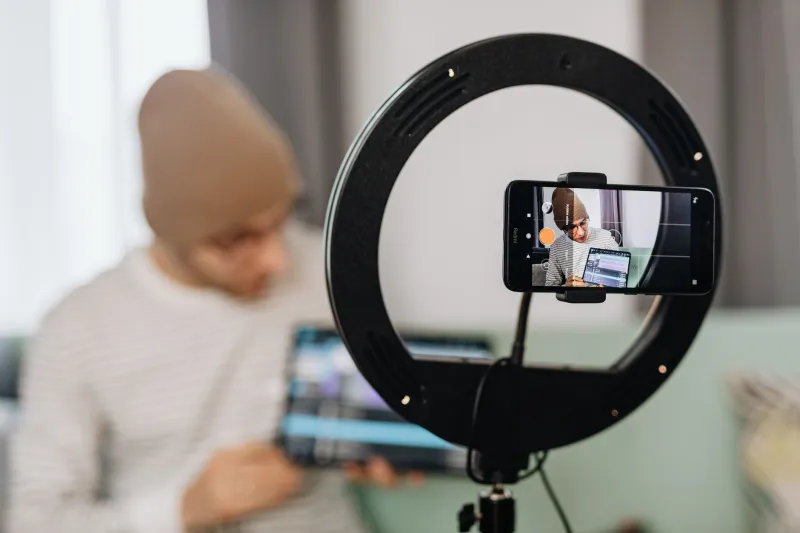
Once Spotify made Wrapped easily shareable — those bright, bold, story-ready graphics practically begging to be posted — the whole dynamic shifted. Suddenly it wasn't about personal reflection. It was about curation. Presentation. Brand management.
Posting your Wrapped became a statement. And like every statement you make online, it became subject to the court of public opinion. Your top artists aren't just your top artists anymore. They're a personality test. A vibe check. A résumé.
And people started optimizing accordingly.
Music journalists started noticing something strange: listeners were actively gaming their own listening habits in the months leading up to Wrapped. Streaming an artist on repeat not because they loved the music, but because they wanted that artist to show up on their results. Avoiding guilty-pleasure artists in October and November like they were trying to hide receipts before an audit. Running up streams on critically acclaimed albums they'd never actually chosen to listen to organically.
This is, to put it delicately, absolutely unhinged behavior. And yet, completely understandable.
The Taxonomy of Wrapped Anxiety
Let's break down the specific flavors of embarrassment that Wrapped has introduced into our lives, because they are numerous and they are specific.
The Mainstream Shame Spiral. You listened to Morgan Wallen 12,000 times. He's your number one. You know this. Your body knows this. But posting that feels like a confession, not a celebration, depending on which corner of the internet you occupy. So you either post it with a self-deprecating caption that preemptively apologizes for your taste, or you quietly don't post at all and feel vaguely ashamed for the rest of December.
The Prestige Flex That Nobody Asked For. On the opposite end, there are the people whose Wrapped looks like a Pitchfork end-of-year list had a baby with a college radio station's playlist. Every artist is either critically acclaimed, delightfully obscure, or both. You know at least two of those streams were strategic. They know it too. We all know.
The Podcast Erasure. Spotify counts podcasts separately from music, which means the 400 hours you spent listening to true crime content gets quietly swept under the rug while your three sad Phoebe Bridgers albums take center stage. Your Wrapped is technically accurate and also a total lie.
The Minutes Listened Humiliation. Wrapped will cheerfully inform you — and your followers — that you spent 94,000 minutes listening to music this year. That's sixty-five days. You have to sit with that number. You have to post it. You have to watch people react.
We're All Just Performing for Each Other, Aren't We
Here's the thing that makes Wrapped such a perfect artifact of this particular cultural moment: it exposes the fundamental tension at the heart of social media itself. We use these platforms to express ourselves, but the second expression becomes public, it stops being authentic and starts being strategic.
Your music taste is genuinely one of the most personal things about you. The songs you return to when you're anxious, the albums that got you through hard years, the embarrassing pop deep cuts you know every word to — that's real. That's you. And Wrapped, in its original form, was a celebration of exactly that.
But the moment you start thinking about how your results will look in a grid post, you've already lost something. You're no longer listening to music. You're building a character.
This isn't entirely Spotify's fault, to be fair. They made a shareable feature and people shared it — that's kind of the intended outcome. But the platform has also leaned hard into the social spectacle of it all, making the graphics flashier and more postable every year, adding features like your "listening personality" that are basically designed to be screenshotted and captioned with something like "okay this is actually me though."
The Counterculture of Not Posting
Interestingly, a growing contingent of people have adopted "not posting your Wrapped" as its own kind of flex. The implication being: I listen to music for myself, not for your validation. Which, respect. Except that choosing not to post is also a performance, just a more subtle one. You're still thinking about the audience. You're still making a calculated decision based on how you'll be perceived. The game has just gone meta.
There's genuinely no winning, which is sort of the defining feature of social media in 2024.
So What Do We Do With This Information
Honestly? Probably nothing. Wrapped will come back next December, the graphics will be even more shareable, and millions of people will spend a non-trivial amount of emotional energy figuring out how to present their listening data as a coherent personal brand. It's tradition at this point.
But maybe — maybe — there's something worth holding onto in the original spirit of the thing. The version where you looked at your top songs and felt a little embarrassed and a little seen and didn't feel the need to share any of it with anyone. Where your 47,000 Taylor Swift streams were just between you and your earbuds and the specific heartbreak that apparently required that level of intervention.
Your taste in music is weird and specific and deeply yours. It doesn't need to be optimized. It doesn't need to be a brand.
It just needs to be played loud enough that you can't hear what anyone else thinks about it.