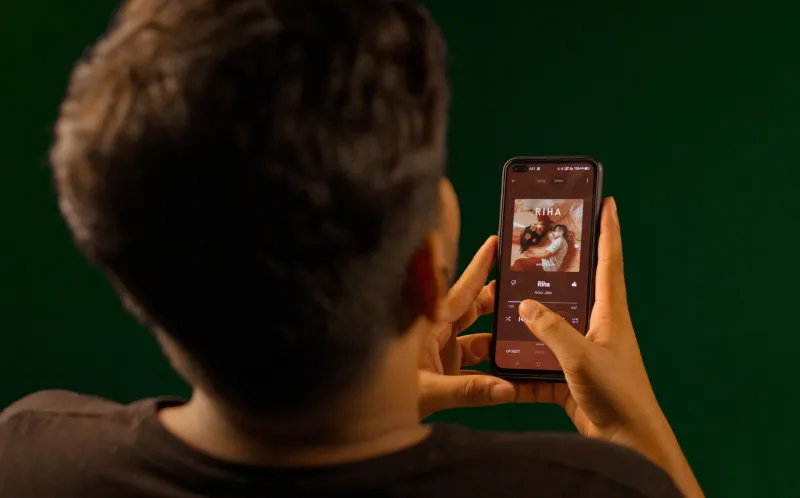
Streamed 47 Times or 47,000? Why Your Spotify Wrapped Is Basically Fan Fiction About Yourself
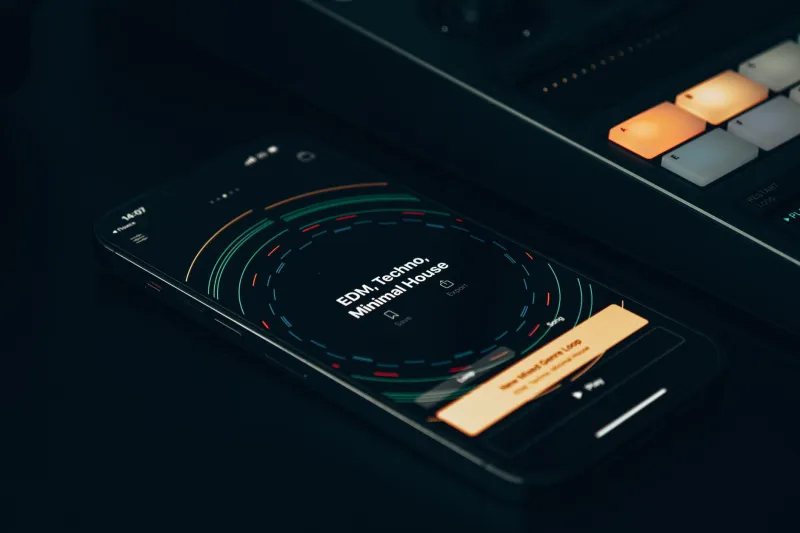
Every December, right around the time you're stress-eating leftover Thanksgiving pie and avoiding your relatives' questions about your life choices, Spotify drops its annual gift to the chronically online: Wrapped. Within hours, your Instagram stories fill up with pastel gradient cards announcing that your coworker's top artist was Mitski, your college roommate apparently listened to 94,000 minutes of music this year (that's 65 days, someone do the wellness check), and your ex is, inexplicably, a "Lover" era girlie now.
Everyone shares it. Everyone judges it. And almost nobody stops to ask: is any of this actually true?
The Algorithm Was Listening. But Not the Way You Think.
Here's the part Spotify's cheerful infographic doesn't mention in its bubbly font: the platform has been quietly steering your listening habits all year long. Every "Daily Mix," every "Because You Listened To" playlist, every autoplay rabbit hole is a gentle algorithmic nudge in a direction the platform has already chosen for you. You didn't discover that obscure indie folk artist from Portland. Spotify's recommendation engine decided you were the target demographic and served them up like a bartender who already knows your order.
So when Wrapped crowns you a fan of a particular genre or artist, it's partly reflecting your genuine taste — and partly reflecting the taste the algorithm spent twelve months quietly cultivating in you. It's a little like asking someone what their favorite restaurant is after you've been sneaking them the same cuisine in their lunch for a year. Sure, they love it now. But did they choose it?
Researchers who study music consumption have noted that recommendation algorithms create what's sometimes called a "taste bubble" — a narrowing feedback loop where the platform learns what keeps you engaged and doubles down on it, crowding out the weird, eclectic, or challenging listening you might have done if you'd been left to your own devices. Your Wrapped isn't just data about you. It's data about what Spotify successfully sold you on.
The Screenshot Is the Point
Let's be honest about what's actually happening when you post your Wrapped. You're not sharing information. You're making an argument. The argument is: this is who I am, and it's a good kind of person to be.
Listened to a lot of Phoebe Bridgers? You're sensitive and literary. Mostly hip-hop? You're culturally plugged-in. A surprising amount of video game soundtracks? You're delightfully nerdy in an endearing way. People have become so fluent in the semiotics of music taste that Wrapped functions less like a data report and more like a carefully curated personality pitch deck.
Social psychologists have a term for this: impression management — the ongoing, mostly unconscious effort we make to control how others perceive us. Spotify Wrapped is impression management with receipts. Or rather, with receipts that most people can't actually verify, which is part of why it works so beautifully as a social media format. Nobody's going to audit your streaming history. You just get to be the person your top five artists suggest you are.
And if your actual listening data is a little embarrassing? Well, that's what the Spotify desktop app's private session mode is for. You didn't listen to that song 200 times. That was a glitch.
The Dirty Secret of "Minutes Listened"
That staggering minutes-listened number — the one that makes people either brag or perform horror at their own screen addiction — is perhaps the most misleading stat of all. Spotify counts a stream as long as you've listened for 30 seconds. It counts music playing in the background while you work, sleep, or leave your apartment with the speaker still running. It counts the playlist you put on for your dog.
So when someone posts that they listened to 120,000 minutes of music this year, what they've actually documented is that Spotify was running in their household for a lot of hours. That's not a personality trait. That's a utility bill.
The platform knows this, of course. But "You Had Spotify Running While You Did Dishes For an Estimated 200 Hours" doesn't make for a shareable moment. "You're in the top 0.5% of listeners for this artist" absolutely does. Wrapped is engineered for virality from the ground up, which means it's engineered to make you feel special, seen, and worth sharing — regardless of whether the underlying numbers mean what they imply.
Why We're So Desperate for Data-Driven Self-Knowledge
Zoom out for a second, because the Spotify Wrapped phenomenon points to something bigger and genuinely fascinating about where we are culturally. We live in an era of unprecedented self-quantification. Fitness trackers log our steps and sleep cycles. Instagram tells us when our followers are most active. LinkedIn scores our profile strength. And we consume all of it hungrily, as though the numbers will finally tell us something about ourselves that we can't access through the old-fashioned method of, you know, reflection.
There's a certain comfort in outsourcing self-knowledge to data. Numbers feel objective. They feel like proof. In a culture that's increasingly anxious about authenticity — where everyone suspects everyone else of performing rather than being — a streaming statistic has the appealing quality of seeming unimpeachable. You can't fake 47,000 minutes. (Except you kind of can, because again: background listening, private sessions, and the simple fact that you left a playlist running.)
The irony is that the most algorithmically mediated, commercially optimized data product of the year has become our go-to tool for performing authenticity online. We're using a corporation's engagement metrics to prove we're real.
So What Does Your Wrapped Say About You?
Here's a genuinely hot take to close on: maybe it doesn't matter that Spotify Wrapped is a little bit fiction. Maybe the interesting thing isn't whether the data is accurate, but what you want it to say about you. The gap between your actual listening habits and the story you'd prefer to tell is, arguably, more revealing than any algorithm.
The person who listens to aggressive hyperpop for three hours every Sunday and then carefully posts only their jazz stats? Fascinating. The person who leans fully into their embarrassing pop obsession and shares it without apology? Genuinely admirable. The person who posts their Wrapped with a caption that says "lol I don't even know" as a preemptive defense mechanism? We see you. We've all been you.
Spotify Wrapped is fan fiction. But you're the one writing it. And maybe that's the most human thing about it.