You Hit Unfollow and Now You're Grieving a Person Who Never Knew You Existed
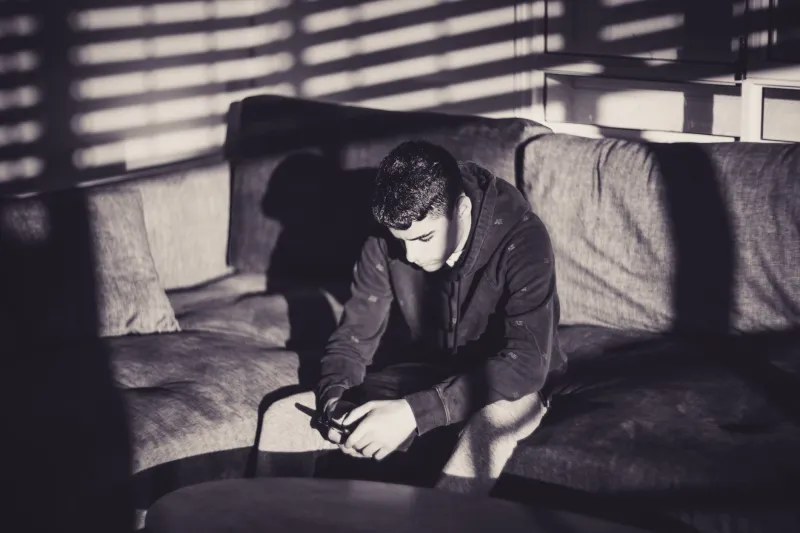
Let's set the scene. It's a Tuesday. You're eating cereal you definitely bought on sale, scrolling through your feed, and you realize — somewhere between your third yawn and your first genuine moment of clarity — that you kind of dread seeing this person's posts now. You used to love them. You used to send their videos to friends with the message "THIS IS US." And now? Now you hover over that unfollow button like you're defusing a bomb.
You click it.
And then, inexplicably, you feel terrible.
Welcome to the parasocial breakup — possibly the most emotionally confusing experience the internet has gifted us, right alongside learning that your favorite podcast host has Opinions about cryptocurrency.
The Relationship That Only One of You Was In
The term "parasocial relationship" has been floating around academic circles since the 1950s, when researchers Donald Horton and Richard Wohl noticed that television audiences were developing eerily intimate feelings toward on-screen personalities. The audience felt connected. The personality had no idea the audience existed. Decades later, the internet took this dynamic and absolutely turbocharged it.
Here's the thing: creators on YouTube, TikTok, Twitch, and Instagram aren't just broadcasting into the void the way a TV anchor is. They're talking directly to you. They say your name in comment replies. They share their therapy breakthroughs, their ugly cries, their 3 AM anxiety spirals. They do Q&As where they answer questions about their childhood and their relationship red flags and their most embarrassing moments. They build a persona that feels less like a performance and more like a friendship — because the entire business model depends on you feeling exactly that way.
And it works. Of course it works. Human beings are wired for connection. We're not glitching when we feel close to someone whose face we've watched on a screen for four years. We're doing exactly what our brains are designed to do. The glitch is in the system that monetizes that impulse.
Why the Unfollow Stings Like an Actual Goodbye
Psychologists who study parasocial dynamics will tell you that the brain processes these one-sided relationships using the same neural pathways as real ones. Which means that when a parasocial relationship ends — whether by your choice or theirs — the emotional response isn't a malfunction. It's grief. Actual, legitimate grief, just wearing a hoodie and feeling embarrassed about itself.
When you unfollow someone you've been watching since their "apartment tour with $400 in my bank account" era, you're not just removing content from a feed. You're severing a ritual. That creator was part of your Tuesday mornings, your commutes, your post-breakup recovery playlists, your pandemic survival strategy. They were ambient company during some of the loneliest stretches of your adult life. Clicking unfollow doesn't erase any of that — it just makes you suddenly, uncomfortably aware of how much of it existed.
The guilt compounds things, too. Somewhere in the back of your head, even though you know this person has 2.3 million followers and will never notice your absence, it feels like abandonment. Like you're the kind of person who ghosts. You watched them cry about their dad. You know their dog's name. And now you're just... leaving?
The Creator Economy Made This Complicated on Purpose
It would be unfair to frame this purely as creators manipulating unsuspecting audiences. The reality is messier. Many creators are themselves caught in a system that demands radical vulnerability as a growth strategy. Share more. Be more authentic. Let people in. The algorithm rewards intimacy and punishes distance — so creators who want to survive financially have little choice but to keep the emotional door perpetually open.
The result is a feedback loop where audiences receive an almost relationship-grade level of personal disclosure, form attachments that feel proportional to that disclosure, and then have nowhere to put those feelings when the dynamic changes. Maybe the creator pivots their content. Maybe they get famous enough that the intimacy evaporates and they start feeling like a brand instead of a person. Maybe they say something that disappoints you. Maybe you just change, and the version of you that needed their content doesn't exist anymore.
None of these endings come with closure. There's no final episode, no farewell season, no conversation where you both agree to go your separate ways. You just quietly stop watching, or you don't, and either way you're processing something that the internet has no real language for yet.
What We're Actually Looking For
Here's the uncomfortable read underneath all of this: the parasocial relationship boom says something significant about how lonely a lot of us actually are. Not in a pathetic way — in a structural way. American life has become increasingly atomized. We move cities for jobs, lose touch with hometown friends, work remotely, and spend our leisure time in digital spaces that simulate community without quite delivering it. Creators fill a gap that our actual social infrastructure has failed to fill.
When we grieve an unfollow, we're not really grieving the creator. We're grieving the version of connection we thought we'd found. We're grieving the ritual, the company, the sense of being known — even if that sense was, at least partly, an extremely well-produced illusion.
That's not a character flaw. That's just what it looks like to be a person in 2024, doing your best with the emotional tools available to you.
How to Actually Navigate This Without Losing Your Mind
First, give yourself permission to acknowledge the feeling without catastrophizing it. You're allowed to be sad that you don't enjoy someone's content anymore. That's a real loss, even if it sounds absurd at brunch.
Second, notice what the parasocial relationship was giving you — and then ask whether you can find that thing somewhere with a little more reciprocity. Community, entertainment, intellectual stimulation, emotional support: these are legitimate needs. The question is whether you're getting them from sources that can actually give back.
And third — maybe most importantly — be a little gentle with the creators, too. The ones who built their entire identity around being your parasocial best friend are often navigating their own version of this confusion, trapped in a persona they built at 23 that they're not sure how to grow out of.
The parasocial breakup is strange and tender and kind of embarrassing and completely understandable. It's one of the more human things the internet has accidentally created. And if you've ever sat with that hollow post-unfollow feeling, staring at a grid that no longer includes someone who was never really yours to begin with — you're not weird.
You're just online. And you wanted to belong to something.
Most of us do.